
Services
Focused engineering services for critical systems.
Eight disciplines, one approach: understand the system, agree a clear scope and verify the outcome with documented tests.
EL-01
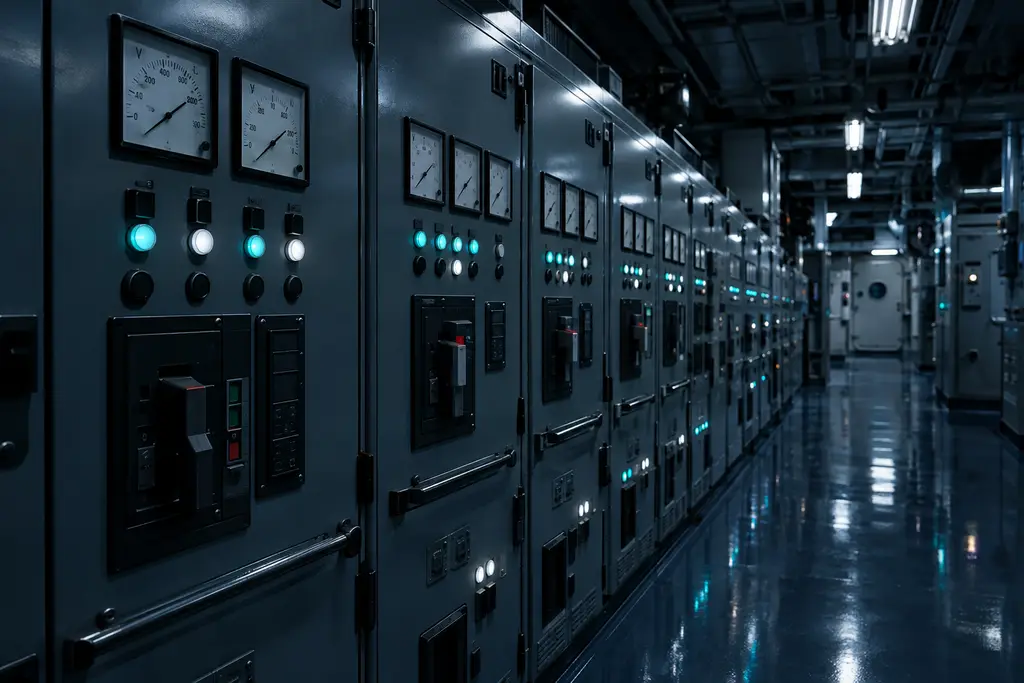
Electrical Engineering
Practical electrical engineering for low-voltage and medium-voltage installations on board and ashore: from reviewing drawings and cable schedules to supervising installation and verifying the result against the design.
Typical scope
- Review of single-line diagrams, schematics and cable lists
- Switchboard and distribution checks
- Installation supervision and as-built documentation
- Insulation resistance and polarization index measurements
AU-02
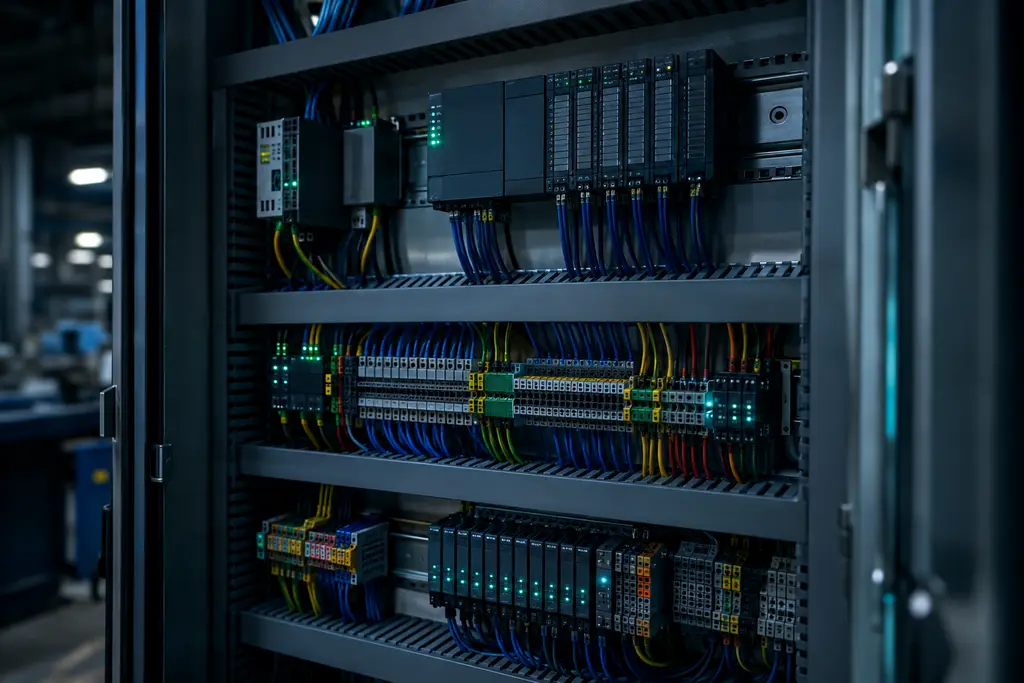
Marine & Industrial Automation
Fault finding and configuration support across control cabinets, field signals and operating sequences, from local panels to remote and bridge control stations.
Typical scope
- Alarms, interlocks and safety chains
- Analog and digital signal tracing
- Local, remote and bridge control checks
- Functional descriptions and I/O documentation
DR-03
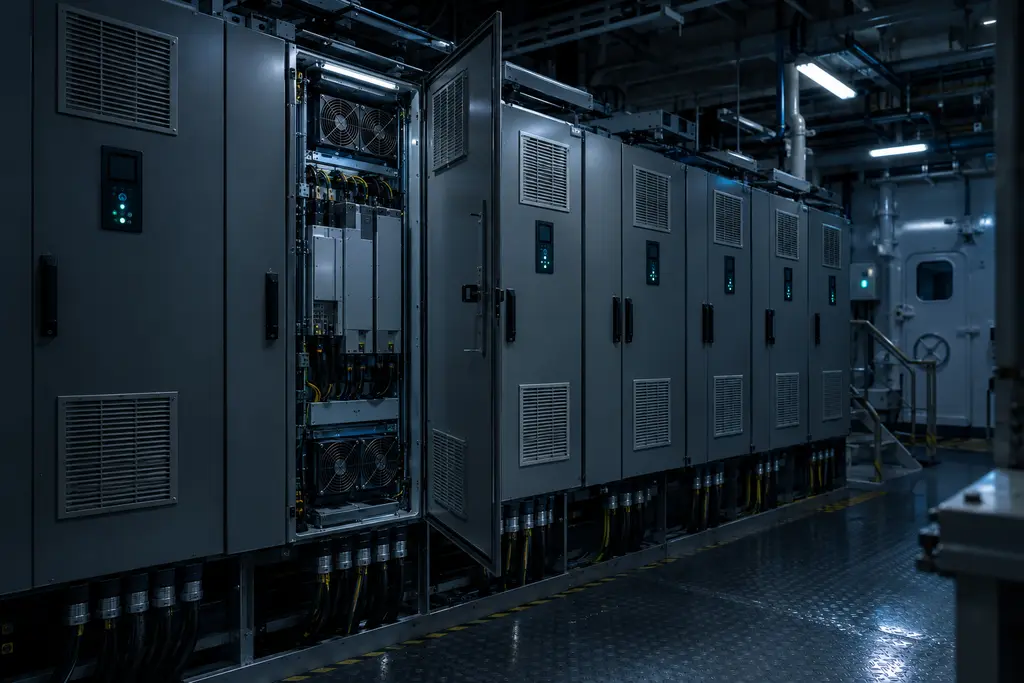
ABB Drives & Power Conversion
Support for low-voltage drives and power converters used in propulsion, thrusters and industrial processes. Work is performed as an independent engineer; it does not imply manufacturer authorization.
Typical scope
- Drive parameter review and fault-log analysis
- Converter cooling-circuit inspection and pressure testing
- Motor and feedback checks
- Start-up support and operational verification
CM-04
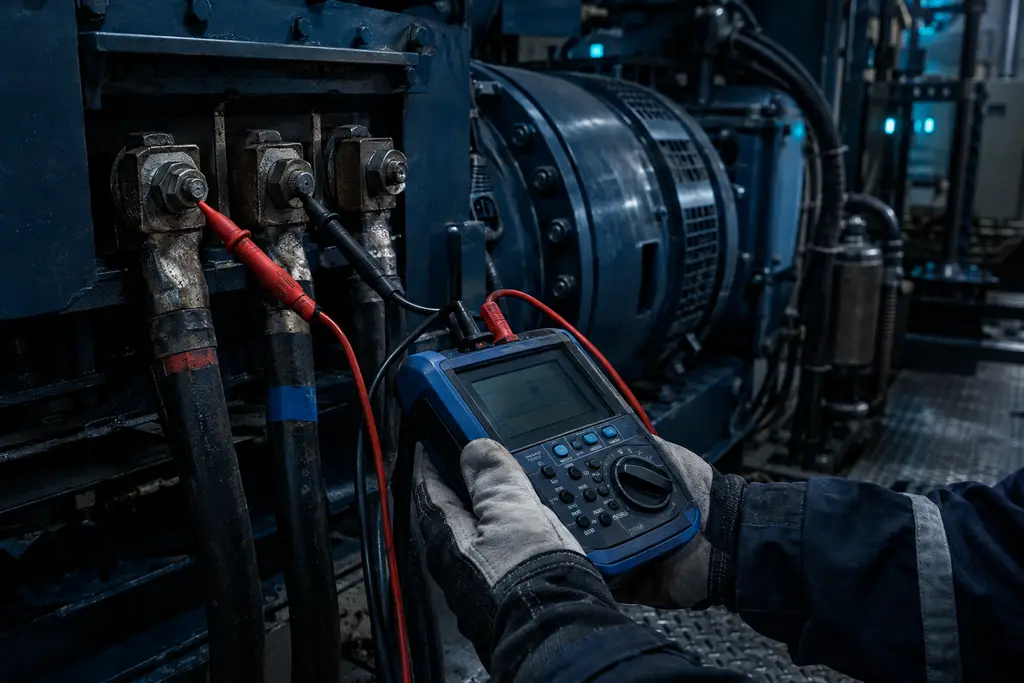
Commissioning & Testing
Structured commissioning support for new installations and after repairs: test procedures, step-by-step functional verification and clear reporting of findings.
Typical scope
- Pre-commissioning and point-to-point checks
- Functional, manual and follow-up mode tests
- Load and operational testing support
- Test records and service reports
PM-05
Power Management Systems
Support for power management on vessels with multiple generator sets: signal checks between generators, switchboard and PMS, sequence testing and documentation.
Typical scope
- Generator / switchboard / PMS signal lists (from-to)
- Start, stop and standby sequence checks
- Load-dependent start and load-sharing verification
- Alarm and trip review
DG-06
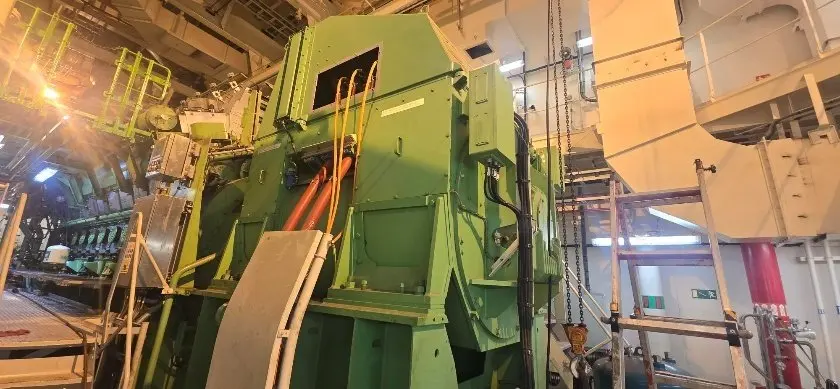
Diesel Generator Electrical Systems
Electrical inspection and measurement of generators and their auxiliaries as part of planned overhauls or fault investigations, combined with practical mechanical work where needed.
Typical scope
- Stator, rotor and exciter inspection
- Insulation resistance and polarization index
- Sensors, excitation and protection components
- Bearing, labyrinth-seal and clearance work
TS-07
Electrical Troubleshooting & Diagnostics
Mechanical condition, electrical measurements and control signals tell different parts of the same story. Diagnostics bring them together to define a practical, limited repair scope.
Typical scope
- Systematic fault finding on site
- Review of alarm records, drawings and service history
- Root-cause notes and recommendations
- Repair scope definition
MO-08
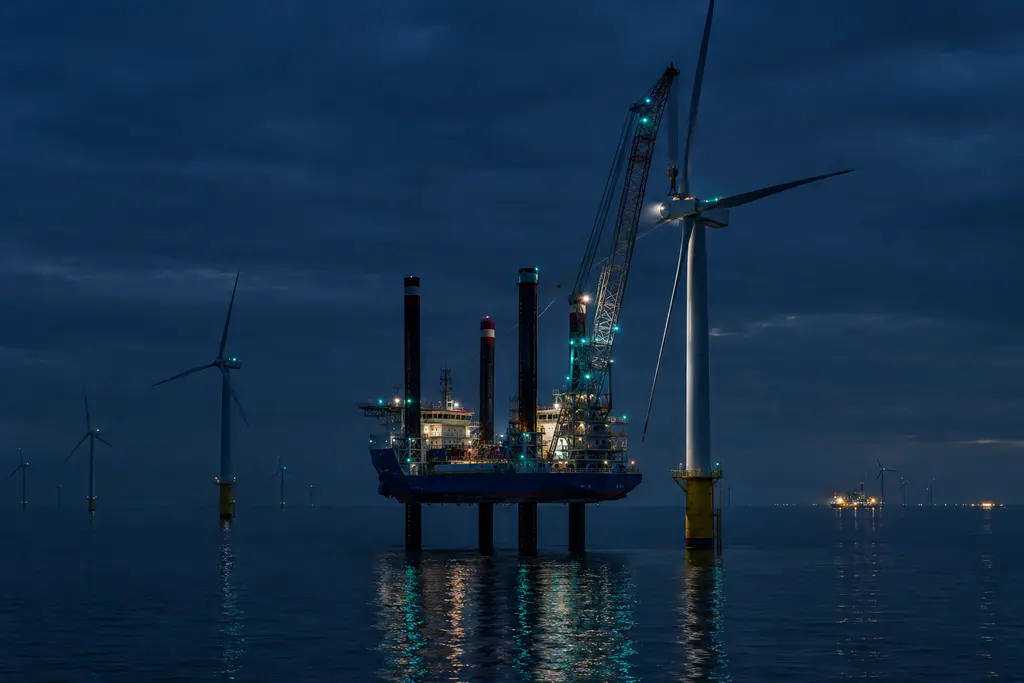
Marine & Offshore Technical Support
Engineering support for vessels, yards and offshore assets, including condition assessments, modernization concepts, functional descriptions and technical reporting.
Typical scope
- Condition assessments
- Modernization concepts
- Technical documentation and reporting
- Remote pre-assessment of drawings and alarm logs
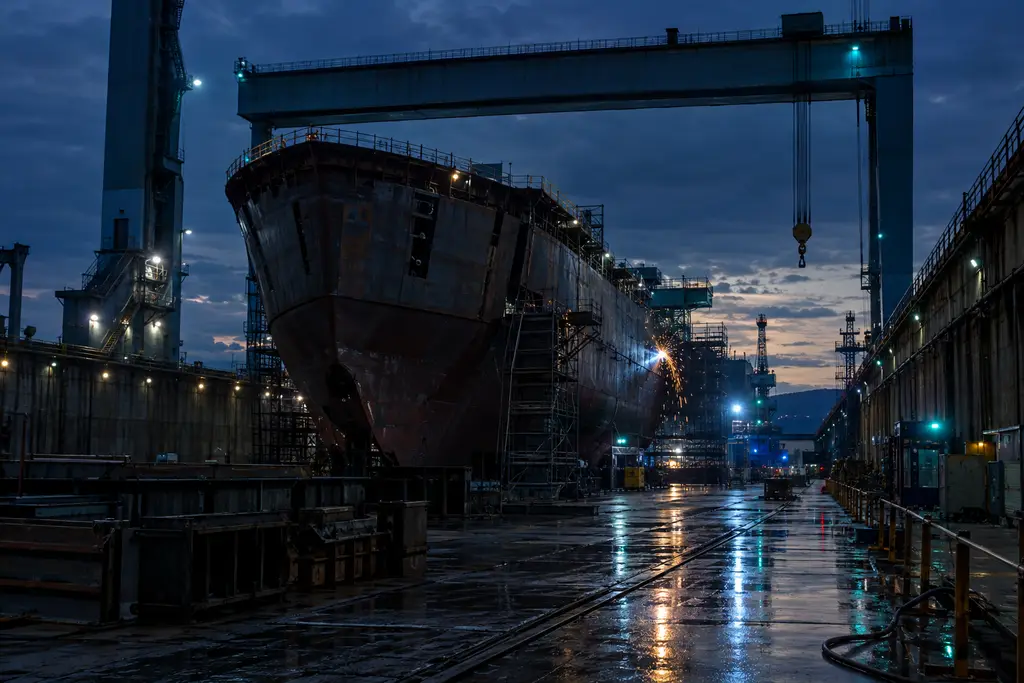
Engineering support
Let's discuss your next scope.
Tell us the equipment type, location, symptoms and required timing. Drawings, alarm records and service history help assess the work.